A Comprehensive Guide to the Sorts Of Ceramic Layer on the Market
Ceramic finishes have actually arised as a crucial option throughout various industries due to their unique properties and applications. As we discover the unique qualities and applications of these coverings, the ramifications for efficiency and longevity end up being significantly obvious, increasing inquiries concerning which type may ideal suit your needs.
Recognizing Ceramic Coatings
Ceramic layers are advanced protective options that have acquired popularity in various industries, particularly in aerospace and automotive applications. These coverings contain a fluid polymer that, when treated, forms a long lasting, hydrophobic layer on the surface area of the substrate. This layer supplies boosted resistance to ecological contaminants, UV radiation, and chemical direct exposure, therefore prolonging the life and visual charm of the underlying product.
The fundamental element of ceramic coatings is silica, which contributes to their solidity and sturdiness. The application process generally entails surface area preparation, application of the coating, and treating, which can be attained with warmth or UV light. Once treated, ceramic coatings show outstanding bonding residential or commercial properties, enabling them to stick highly to a range of surface areas, including steels, plastics, and glass.
Along with their protective functions, ceramic finishings likewise provide simplicity of maintenance. Their hydrophobic nature decreases the adherence of dust and crud, making cleansing easier and less frequent. On the whole, the adoption of ceramic coverings stands for a significant advancement in surface area security innovation, providing both useful and visual advantages across several industries.
Kinds Of Ceramic Coatings
Numerous kinds of ceramic finishes are available, each made to meet certain performance demands and applications. One of the most typical types include:
Silica-based Coatings, these layers primarily contain silicon dioxide and are known for their longevity and chemical resistance. They are widely utilized in commercial and automobile applications.
Titanium Dioxide Coatings: Prominent for their photocatalytic buildings, titanium dioxide coverings are commonly used in settings where self-cleaning and antifungal homes are preferable, such as in structure products and automotive finishes.
Zirconia Coatings are identified by their high-temperature security and thermal resistance, zirconia coverings are utilized in applications such as turbine engines and high-performance automobile parts.
Alumina Coatings, Exhibiting exceptional firmness and thermal stability, alumina coatings are frequently used in wear-resistant applications, including reducing devices and commercial equipment.
Crossbreed Coatings:Combining the homes of different materials, crossbreed finishings use improved efficiency qualities, making them suitable for unique and demanding applications.
Each kind of ceramic covering serves distinctive purposes, allowing users to pick one of the most proper option based on particular environmental problems and performance requirements.
Benefits of Ceramic Coatings
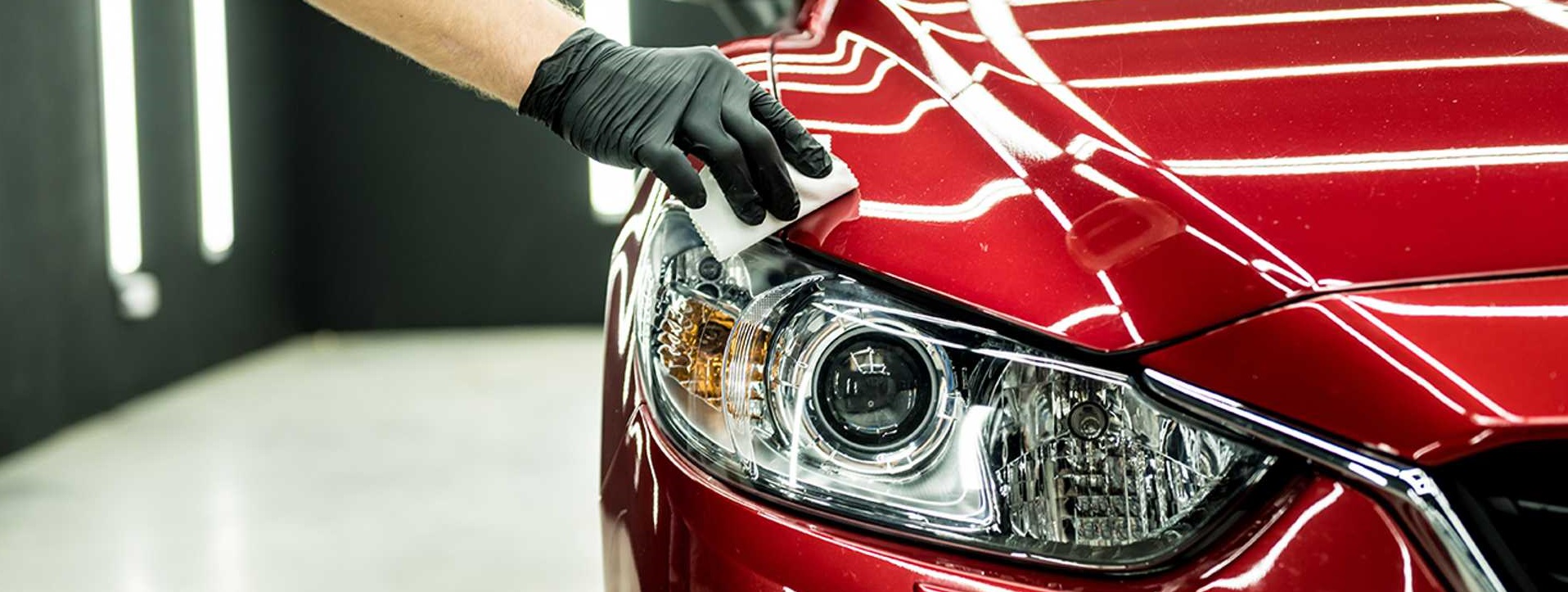
In addition to sturdiness, ceramic finishes offer superb hydrophobic residential properties, enabling for easy cleaning and maintenance. This water-repellent nature minimizes the adherence of dust, crud, and various other pollutants, which can prolong the visual visit allure and capability of the surface. Ceramic finishings can significantly boost thermal resistance, making them suitable for applications that withstand high temperatures.
An additional noteworthy advantage is their capability to improve surface solidity. This boosted firmness can bring about decreased damage, inevitably extending the life expectancy of the layered material. Ceramic finishings can add to power efficiency by mirroring heat, which is specifically beneficial in industrial and automobile setups. Generally, the various advantages of ceramic layers make them a valuable investment for different applications, making sure optimum performance and defense.
Application Process
When applying ceramic coverings, a precise strategy is crucial to attain ideal outcomes. A clean surface area makes certain proper bond of the covering.
Once the surface area is prepped, the following action is to apply the ceramic coating. This can be done making use of an applicator pad or a microfiber towel, making see this certain even coverage. It is critical to operate in little sections to preserve control and prevent premature healing - Ceramic Coating Denver. The finishing should be used in slim layers, as thicker applications can result in uneven surfaces.
After application, the finishing requires a specific treating time, normally varying from a few hours to a complete day, depending on the item. Adhering to these steps faithfully will take full advantage of the performance and long life of the ceramic layer, supplying a long lasting safety layer for the surface area.
Upkeep and Long Life
To ensure the longevity and effectiveness of a ceramic covering, routine maintenance is vital. Ceramic finishes, recognized for their durability and safety top qualities, require details treatment routines to optimize their lifespan and performance. The very first action in maintenance involves routine washing with pH-neutral soap, staying clear of extreme chemicals that can deteriorate the finishing. It is recommended to clean the car frequently, ideally every two weeks, to stop the build-up of contaminants that can endanger the layer's honesty.
In addition to routine cleaning, regular examinations are essential. Look for indicators of wear or damage, such as hydrophobic buildings decreasing or surface area flaws. A light gloss might be used to invigorate the coating without stripping it away. if needed - Ceramic Coating Denver.
Additionally, the application of a booster spray can improve the layer's hydrophobic impacts and recover its gloss. This is particularly useful for layers that have remained home in usage for an extensive duration. Ultimately, by sticking to these maintenance methods, one can substantially expand the life of a ceramic covering, making certain that it remains to provide optimal protection versus ecological variables and keep the visual charm of the automobile.

Verdict
To conclude, ceramic finishings represent a functional option for a variety of applications, using a variety of types such as silica, titanium dioxide, zirconia, and alumina. Each kind offers distinct advantages, consisting of sturdiness, self-cleaning properties, high-temperature stability, and wear resistance. The application process and ongoing upkeep play vital duties in taking full advantage of the longevity and performance of these coverings. Generally, ceramic coverings contribute considerably to boosting the resilience and performance of different surface areas throughout several sectors.
Ceramic finishings have emerged as a crucial remedy throughout different sectors due to their unique homes and applications.Ceramic finishings are sophisticated protective options that have gained appeal in different markets, particularly in aerospace and automotive applications. Ceramic layers can substantially improve thermal resistance, making them optimal for applications that endure high temperatures.
Generally, the countless benefits of ceramic finishings make them a beneficial financial investment for various applications, guaranteeing ideal performance and security.
In final thought, ceramic layers represent a versatile solution for a range of applications, offering a variety of kinds such as silica, titanium zirconia, alumina, and dioxide.